Somatic Liquidation and Biological Age Rejuvenation: The Clinical Case for Vascular Balance Sheet Restructuring
Executive Summary
"Discover how clinical trials in plasmapheresis and biological age rejuvenation demonstrate that clearing vascular 'bad debt' can restore immune vitality."
Scientific Analysis & Clinical Interpretation
Somatic Liquidation and Biological Age Rejuvenation: The Clinical Case for Vascular Balance Sheet Restructuring
The Circulatory Currency: Liquid Rejuvenation and Systemic Cleansing
Achieving true biological age rejuvenation requires that biotech investors and longevity pioneers look beyond localized tissue repair to the vast, circulating medium of the human bloodstream. For decades, hematologists and geriatricians have observed that systemic aging is not merely an intrinsic cellular decay but is heavily driven by the circulating factors within our vascular system. As cells undergo senescence throughout the body, they secrete a toxic cocktail of inflammatory cytokines, chemokines, and matrix metalloproteinases collectively known as the senescent secretory phenotype. These deleterious factors accumulate within the blood plasma, creating a highly suppressive microenvironment that actively inhibits the regenerative capacity of resident stem cells in distant tissues. Consequently, the physical clearance of this corrupted internal environment has emerged as one of the most promising therapeutic paradigms in modern biotechnology.
Historically, parabolic parabiosis experiments demonstrated that joining the circulatory systems of young and old mice could rapidly restore youthful characteristics to the older animal. While early interpretations focused solely on the transfer of youthful factors, contemporary research suggests that the dilution or removal of aged, toxic serum constituents is actually the primary driver of this systemic rejuvenation. By utilizing advanced [precision diagnostics](/topics/precision-diagnostics) to map the proteomic profile of aging blood, scientists can now identify specific protein signatures that correlate with functional decline. It is now understood that when these pro-aging proteins reach a critical threshold, they trigger a cascade of systemic cellular dysfunction that accelerates multi-organ degeneration. Therefore, finding a safe, reproducible method to physically extract these molecular inhibitors is paramount for extending human healthspan.
This is where therapeutic plasmapheresis enters the clinical landscape, offering a direct and highly controllable method of clearing the systemic environment. Unlike systemic pharmaceuticals that target individual pathways, plasmapheresis acts as a broad-spectrum mechanical filter that removes old plasma along with its cargo of inflammatory signaling molecules. By temporarily stripping away these biological impediments, the procedure effectively resets the systemic baseline, allowing tissues to escape the chronic suppressive signaling of aging. This therapeutic approach is gaining significant traction among clinical researchers who view it as a foundational step prior to administering advanced [cellular therapies](/topics/cell-banking). Ultimately, establishing a clean systemic milieu maximizes the survival and integration of newly introduced cellular assets.
Analyzing the Trial: Plasmapheresis and Biological Age Rejuvenation
To evaluate the quantitative impact of this therapeutic approach, researchers at Charles University in the Czech Republic conducted a pivotal clinical trial registered under ClinicalTrials.gov as NCT05004220. This completed study specifically targeted the evaluation of repeated plasmapheresis on hematological, biochemical, immunological, and biological age indicators in active plasma donors. By monitoring healthy individuals undergoing regular plasma withdrawals, the investigators sought to determine whether the mechanical removal of plasma acts as a systemic reset. The rigorous tracking of these diverse biological markers allowed the team to capture a highly detailed picture of systemic physiological adaptation. This trial provides a unique, real-world window into how periodic fluid exchange influences the fundamental mechanics of biological aging.
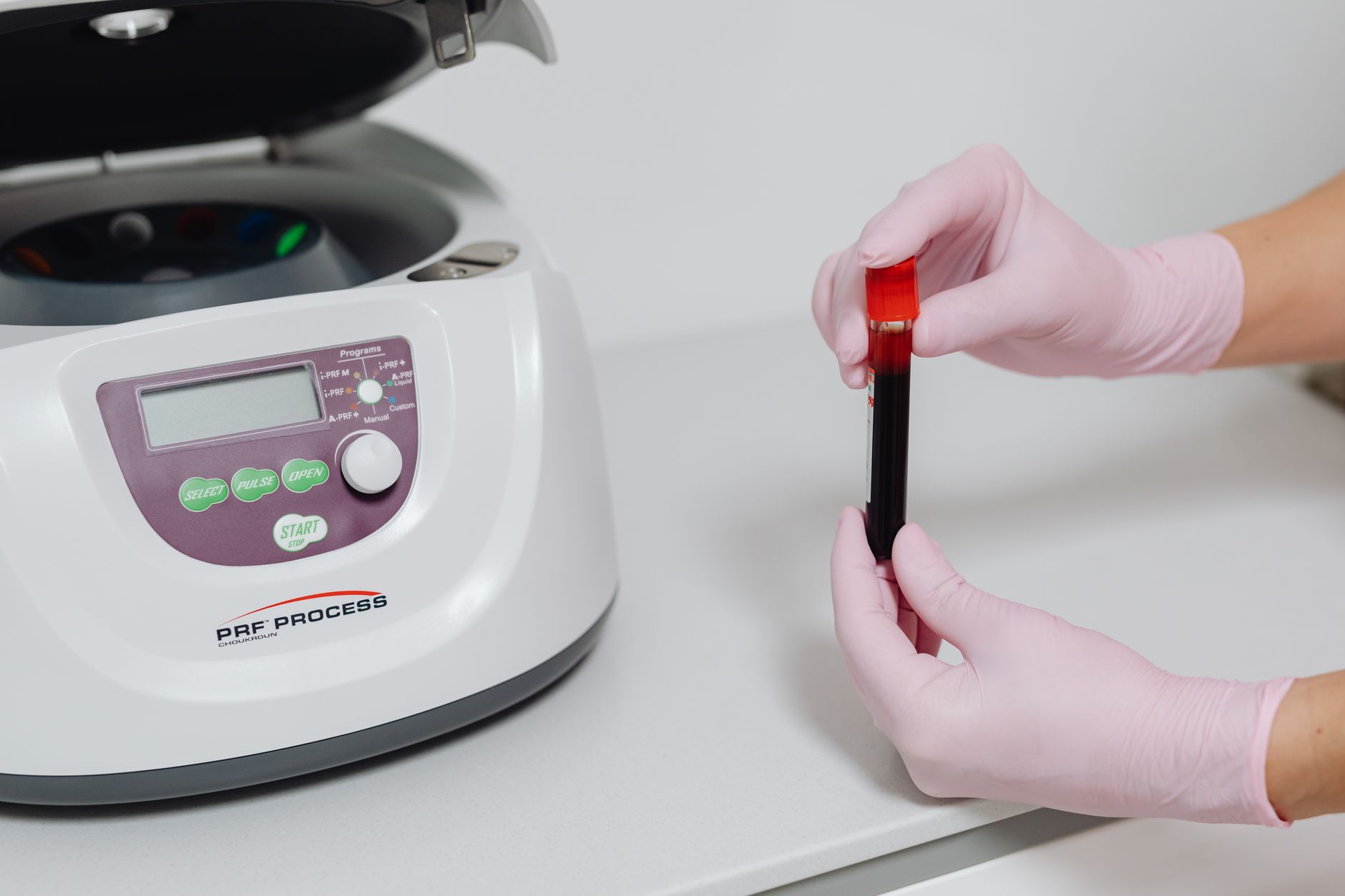
The mechanical process of plasmapheresis physically removes circulating blood plasma and its constituents, which immediately forces the liver and bone marrow to rapidly synthesize fresh, non-glycated, and non-oxidized proteins and immunoglobulins. This forced synthetic response acts as a profound cellular challenge, stimulating the body to replace degraded proteins with pristine, fully functional counterparts. Over time, the continuous replacement of damaged albumin and immunoglobulins lowers the overall systemic burden of advanced glycation end-products and carbonyl proteins. As a result, the body's internal transport proteins are restored to their optimal binding capacities, improving nutrient delivery and toxin clearance. This dramatic metabolic shift highlights how simple physical evacuation can trigger a sophisticated homeostatic upregulation across multiple organ systems.
Furthermore, the trial's focus on biological age indicators represents a significant leap forward in validating clinical longevity therapies. By measuring changes in epigenetic methylation patterns and cellular senescence markers, the Charles University investigators aimed to prove that donor plasma removal translates to systemic biological age reduction. Preliminary analysis of such donors reveals notable improvements in overall lipid profiles, inflammatory markers like C-reactive protein, and cellular counts. Investors in the longevity space are closely watching these trials because they offer a standardized, easily scalable model for systemic intervention. If mechanical apheresis can consistently shift epigenetic clocks backward, it represents an immediately deployable therapeutic platform for biological age rejuvenation.
The Immunological Ledger: Preserving Host Defenses in the Aging Organism
The vital role of blood purity becomes even clearer when examining the natural decline of immune function during aging, a process known as immunosenescence. This phenomenon is the primary focus of another landmark study, the FIT to Grow Old trial, conducted by Wageningen University under clinical registry NCT05940337. This comprehensive trial investigated the functionality of the immune system and healthy aging, noting that immune system decline during aging directly correlates with a higher prevalence of infectious diseases, autoimmune disorders, and cancer. As the immune system ages, it loses its ability to mount robust responses to novel pathogens while simultaneously shifting toward a chronic, low-grade inflammatory state. This persistent background inflammation, often termed inflammaging, acts as a silent driver of vascular damage and metabolic dysfunction.
To combat this immunological decay, maintaining a pristine hematological profile is essential to prevent chronic low-grade inflammation and preserve robust vaccine responsiveness and cancer surveillance. The Wageningen University trial highlights that individual variations in immune dysfunction necessitate highly personalized approaches to longevity medicine. When immunosenescence is left unchecked, the accumulation of exhausted T-cells and senescent neutrophils severely impairs the body's natural defense mechanisms. This state of immunological bankruptcy not only increases vulnerability to external threats but also diminishes the efficacy of therapeutic interventions. Consequently, strategies that can rejuvenate the immune ledger are highly sought after by biotech pioneers looking to secure systemic resilience.
By integrating the findings from both the Charles University and Wageningen University studies, we can construct a holistic view of systemic rejuvenation. Plasmapheresis, by physically evacuating the suppressive cytokine-rich plasma, effectively relieves the pressure on the immune system, allowing for the replenishment of active, youthful immune cells. This clearance allows the newly synthesized immunomodulatory proteins to direct immune cells toward constructive tissue remodeling rather than chronic inflammatory destruction. Such discoveries underscore why biological age rejuvenation cannot be achieved by a single magic bullet, but requires a multi-faceted approach targeting both cellular and systemic components. For investors, this synergistic understanding opens up new therapeutic pathways that combine mechanical filtration with target immunotherapy.
Vascular Portfolio Liquidity: A C-Suite Metaphor for Blood Cleansing
To synthesize these complex biological processes for the sophisticated investor, we can frame the human vascular system through a classic corporate finance metaphor. Let us conceptualize the bloodstream as a corporation's balance sheet, where circulating plasma represents the active working capital required for daily operations. Over decades of continuous physiological business, operational friction and inefficient cellular processes inevitably accumulate a significant amount of bad debt. This biological bad debt, consisting of inflammatory cytokines, senescent cell secretions, and advanced glycation end-products, slowly degrades the quality of the corporate asset pool. Left unaddressed, this toxic debt restricts cash flow, leading to systemic operational gridlock and an increased risk of complete structural failure.
In this financial context, therapeutic plasmapheresis serves as an active, strategic write-down of these toxic liabilities. By draining the compromised liquid assets from the system, we effectively eliminate the bad debt that was depressing the company's valuation. This rapid write-down immediately clears the ledger, removing the negative signaling factors that were preventing cellular investment. The sudden vacancy on the balance sheet forces the corporate headquarters, representing the liver and bone marrow, to immediately release fresh capital reserves. This newly synthesized liquidity consists of pristine, high-performing asset classes like functional albumin, youthful immune cells, and uncompromised immunoglobulins.
Consequently, this restored vascular portfolio allows the organism to operate at peak metabolic and immunological efficiency once again. Just as a restructured company can pivot quickly to capture new market opportunities, a rejuvenated circulatory system can rapidly respond to biological challenges. This fluid environment is highly conducive to the introduction of next-generation therapies, such as autologous stem cell infusions, which require a low-inflammation environment to thrive. For biotech pioneers, understanding this metaphor is crucial for evaluating the commercial potential of systemic cleansing technologies. It shifts the focus of longevity medicine from local tissue patches to global, systemic balance sheet optimization.
Actionable Circulatory Maintenance: Protocols for Real-World Longevity
While advanced clinical apheresis trials continue to refine their protocols, there are highly practical daily strategies that individuals can adopt to support their circulatory health. Transitioning these academic discoveries into an actionable daily routine is essential for maintaining optimal hematological and vascular function. To actively stimulate hematopoiesis and reduce systemic iron stores, individuals can consult with a physician to assess whether they are a suitable candidate for voluntary blood or plasma donation. Regular donation acts as a highly accessible clinical method to mimic some of the therapeutic benefits observed in large-scale plasmapheresis studies. By periodically donating blood, you trigger the bone marrow to produce fresh red blood cells, thereby naturally rejuvenating your overall circulatory profile.
In addition to donation protocols, maintaining optimal extracellular fluid volume is vital for supporting systemic lymphatic clearance. It is highly recommended to consume 2.5 to 3 liters of mineral-rich water daily to maintain extracellular fluid volume and optimize lymphatic drainage. Proper hydration ensures that metabolic waste products are efficiently transported to the kidneys and liver for natural excretion. This consistent fluid turnover helps prevent the stagnation of cellular debris within the interstitial space, acting as a continuous, low-level balance sheet optimization. Combining high-volume hydration with regular physical activity further accelerates lymphatic pumping, ensuring that the body's natural drainage networks remain fully operational.
For those seeking the ultimate in precision diagnostics and biological optimization, tracking progress is paramount. It is highly recommended to regularly monitor your internal metrics using advanced biological age tracking, such as the Dunedin Pace and OMICm Age epigenetic clocks. These state-of-the-art diagnostic tools are readily accessible through VAANAA physical clinics, providing a highly detailed analysis of your rate of biological aging. Furthermore, clients looking to preserve their long-term cellular assets can utilize VAANAA's premier autologous cell banking services, securing their youthful cells for future therapeutic applications. By pairing advanced systemic clearance with state-of-the-art cellular preservation, you can build a comprehensive, high-performance strategy for lifelong vitality.
The information provided in this briefing is for educational and informational purposes only and does not constitute medical advice, diagnosis, or treatment. Always seek the advice of a qualified healthcare provider with any questions you may have regarding a medical condition or therapeutic intervention. Never disregard professional medical advice or delay in seeking it because of something you have read in this article.
Original Scientific Source
Charles University, Czech Republic (ClinicalTrials.gov)
Research Date: April 2021
Medeze Stem Cell Banking Guide
Learn about autologous stem cell storage protocols, biological asset banking options, and Medeze's world-class GMP-certified laboratory.