Can Cold Water Rejuvenate Your Metabolism? Inside a Bold New Longevity Trial
Executive Summary
"A pioneering clinical trial investigates how drinking cold water may trigger metabolic health optimization, shift body fat, and slow down the aging process."
Achieving metabolic health optimization remains a primary objective for longevity researchers seeking to extend the human healthspan. In our modern, climate-controlled environments, the human body rarely has to work to maintain its internal temperature. We live in a state of continuous thermal comfort, cocooned in heated offices and air-conditioned homes. When the body is never challenged to regulate its temperature, its natural metabolic furnace can become sluggish. Scientists are now investigating whether introducing mild, controlled thermal challenges could shake up this metabolic complacency and restore cellular function.
At the forefront of this thermodynamic approach to longevity is an intriguing clinical trial, registered as NCT06432491, conducted by the Shenzhen Institutes of Advanced Technology. This study examines how simple adjustments to core temperature regulation can influence body composition, cellular vitality, and overall aging trajectories. By investigating the physiological differences between drinking cold water and body-temperature water, researchers hope to uncover an accessible tool for health optimization. The trial specifically targets older adults, a demographic that typically experiences a gradual decline in baseline metabolic rate. Through this elegant design, researchers are looking to see if internal temperature challenges act as a catalyst for systemic cellular renewal.
To understand the science behind this trial, it helps to think of your body's metabolism as a home heating system. Drinking cold water is very similar to opening a window for a few minutes on a chilly winter day. This sudden influx of cold air forces the home thermostat to temporarily ramp up the furnace, burning more fuel to keep the indoor temperature steady. In the human body, the ingestion of cold fluids creates a brief, localized thermal challenge requiring immediate physiological compensation. This simple act of thermal defense forces the metabolism to work harder, burning stored fat calories to restore physiological equilibrium.
The Cold Water Protocol and Metabolic Demand
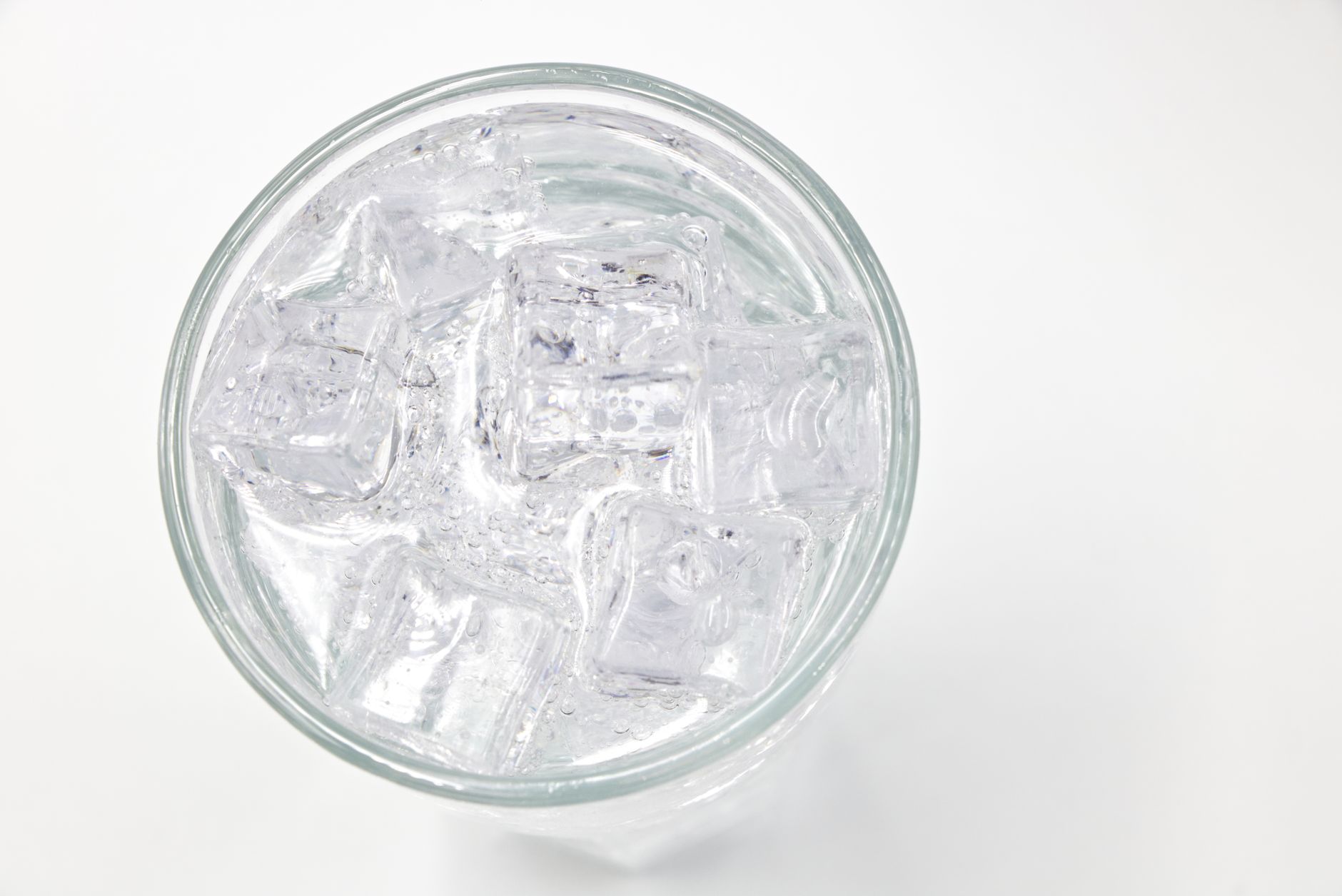
The clinical trial utilizes a remarkably straightforward yet highly structured methodology to test this thermal hypothesis. Participants in the intervention group are instructed to drink water cooled to 4 degrees Celsius, which is roughly standard refrigerator temperature. This cold water is consumed four times daily at precise intervals: 9:00 AM, 12:00 PM, 3:00 PM, and 6:00 PM. Meanwhile, the control group consumes water warmed to 37 degrees Celsius, matching the natural baseline temperature of the body. By comparing these two groups over a six-month period, researchers can isolate the exact metabolic impact of this thermal difference.
The specific timing of the water intake is carefully designed to align with natural diurnal metabolic fluctuations. By introducing a cold thermal stressor four times throughout the day, the protocol repeatedly coaxes the body out of its comfort zone. Each cold beverage represents a discrete energy demand, forcing the body to expend heat to warm the liquid. This process of internal warming requires a rapid mobilization of energy, temporarily accelerating the resting metabolic rate. Over the course of six months, these repeated metabolic micro-challenges may accumulate, leading to measurable changes in overall fat distribution.
This continuous, daily requirement to warm ingested fluids places a steady, predictable demand on metabolic systems. When cold water enters the stomach, the surrounding tissues experience a rapid drop in temperature, signaling sensory receptors. The central nervous system immediately coordinates a warming response, which includes minor changes in blood flow and localized metabolic upregulation. Because this challenge occurs internally, it avoids the systemic discomfort associated with full-body ice baths or cold showers. Consequently, this internal approach represents a highly tolerable, scalable method for introducing beneficial thermal stress into a daily routine.
To track the long-term effectiveness of this protocol, researchers conduct comprehensive physiological evaluations at three critical milestones. Participants undergo extensive clinical assessments at baseline, at the end of the third month, and at the conclusion of the six-month trial. These evaluations utilize advanced body composition scanning technology to monitor shifts in fat tissue, muscle mass, and metabolic rate. By analyzing these data points over time, the scientific team aims to determine whether this lifestyle intervention yields sustainable health improvements. This trial represents a rigorous effort to validate a highly accessible, low-cost strategy for promoting healthy aging.
Understanding Brown Adipose Tissue and Temperature-Driven Fat Loss
At the heart of the biological mechanism under investigation is the activation of specialized fat deposits within the body. Most people are familiar with white adipose tissue, which serves primarily as energy storage and can accumulate as harmful visceral fat. However, the body also contains brown adipose tissue, a unique type of fat that acts as a natural heater by burning calories. This brown fat is rich in mitochondria, the tiny cellular powerhouses that convert nutrients into pure thermal energy. The primary goal of the cold water trial is to stimulate brown adipose tissue activation, turning passive fat storage into active energy expenditure.
When we experience cold, the body triggers a highly coordinated process known as cold-induced thermogenesis to maintain thermal homeostasis. This survival mechanism relies heavily on the unique biological properties of brown fat, which rapidly generates heat without requiring physical shivering. By drinking 4 degrees Celsius water, participants initiate a localized version of this thermogenic response, demanding instant heat production. This process not only burns calories directly but also encourages the body to recruit more active brown fat cells over time. Consequently, this simple intervention could help counteract the age-related decline in brown fat activity, supporting healthier metabolic function.
Developing a deeper understanding of how these fat tissues interact with thermal cues is essential for modern medicine. In the past, scientists believed that brown fat was only present in infants, but adults actually retain functional deposits of this tissue. Through advanced metabolic screening and precision diagnostics, researchers can now map these active fat deposits and track their response to temperature. This technological progress allows clinical investigators to observe how mild, localized thermal stress directly influences systemic fat-burning pathways. Ultimately, these insights could lead to highly targeted, non-pharmacological interventions designed to combat age-related metabolic dysfunction.
Furthermore, shifting the ratio of white fat to brown fat can have profound implications for cardiovascular health. Brown adipose tissue activation not only burns fat but also improves insulin sensitivity and assists in clearing glucose from the blood. By encouraging the conversion of inactive white fat storage into metabolically active tissue, cold water exposure may mitigate metabolic risk factors. This transformation supports healthy body composition while reducing the systemic inflammation typically associated with excessive white fat accumulation. Thus, the thermal challenge of cold water drinking represents a multi-faceted approach to cellular health and metabolic balance.
The Science of Hormesis and Cellular Resilience
The underlying biological philosophy of this trial is rooted in the concept of hormesis, a fundamental principle in longevity science. Hormesis describes a biological phenomenon where exposure to a mild, temporary stressor triggers a cellular adaptive response that enhances resilience. Just as lifting weights creates microscopic muscle tears that signal the body to build stronger tissue, mild thermal stress stimulates protective pathways. By repeatedly exposing the internal environment to cold water, the body is forced to fortify its metabolic defenses. This gentle, systemic nudge encourages the body to maintain its youthful capacity for self-regulation and environmental adaptation.
One of the key cellular benefits of this mild thermal stress is the stimulation of mitochondrial biogenesis, the creation of new mitochondria. As we age, our existing mitochondria tend to become damaged and sluggish, leading to decreased energy levels and increased oxidative stress. By challenging the cells to generate thermal energy, cold-induced thermogenesis forces the body to clean up damaged cellular components. This cellular cleanup process, known as mitophagy, is crucial for maintaining metabolic flexibility and preventing chronic cellular fatigue. Consequently, thermal challenges act as an internal quality-control mechanism, ensuring our cells remain energetic and resilient.
Moreover, the adaptation to regular thermal stressors helps build metabolic flexibility, the body's ability to seamlessly transition between fuel sources. A healthy metabolism can easily switch from burning carbohydrates to burning fats, depending on availability and demand. However, physical inactivity, constant snacking, and thermal monotony can cause this metabolic flexibility to decline, leading to insulin resistance. By introducing regular, brief cold challenges, we encourage our metabolic machinery to maintain its adaptive range, making fat utilization easier. Supporting this adaptive capacity is a cornerstone of comprehensive metabolic strategies designed for long-term vitality.
Developing strategies to combat metabolic slowing is particularly critical for older populations, who face an uphill battle against physiological decline. As muscle mass naturally decreases and hormone levels shift, maintaining a healthy body composition becomes increasingly challenging. The clinical trial conducted by the Shenzhen Institutes of Advanced Technology offers an elegant solution by utilizing a completely passive, drug-free intervention. If the results demonstrate that cold water consumption can safely lower body fat percentage, it could open new pathways for healthy aging. This research highlights the profound power of working in harmony with our body's built-in survival mechanisms to promote wellness.
Practical Applications and Safe Thermal Protocols
While the scientific community awaits the final published data from this recruiting trial, individuals can still apply these thermodynamic principles safely. It is important to remember that you do not need to subject your body to extreme, uncomfortable cold. Starting with small, manageable adjustments can help build cellular resilience without overwhelming your nervous system or causing physical discomfort. Drinking cool water, rather than ice-cold water, during or between meals is an easy way to gently stimulate your internal thermostat. By gradually introducing these subtle shifts, you can support your body's natural heat-producing mechanisms while staying within your comfort limits.
As with any clinical research, it is essential to consider the limitations and specific parameters of the ongoing study. The trial NCT06432491 is currently in its recruiting phase, meaning the final clinical efficacy of the intervention has not yet been peer-reviewed. Furthermore, the study cohort focuses specifically on Chinese older adults, so individual biological responses may vary based on genetics. Experimental protocols like these serve as exciting, early-stage validations of physiological concepts rather than definitive medical treatments. Recognizing these limitations allows us to appreciate the science objectively while maintaining realistic expectations about practical health outcomes.
To incorporate these findings into a balanced lifestyle, consider adopting a structured approach to hydration and mild temperature exposure. For instance, replacing room-temperature beverages with cool water (around 4 to 10 degrees Celsius) throughout the day provides a gentle metabolic nudge. Additionally, pairing this hydration strategy with brief external thermal cues, such as ending your daily shower with cool water, amplifies benefits. These simple habits require minimal effort but help maintain the responsiveness of your brown adipose tissue and support metabolic efficiency. Ultimately, the key to successful metabolic conditioning lies in consistency and gentle progression, allowing your body to adapt and thrive.
Clinical Protocol: Structured Thermal Hydration
To safely introduce mild thermal stress into your daily wellness routine, consider the following structured guidelines based on the underlying principles of the ongoing clinical trial:
- Therapeutic Target: Stimulating cold-induced thermogenesis and brown adipose tissue activation.
- Hydration Temperature: Utilize cool water chilled to approximately 4 to 10 degrees Celsius.
- Daily Frequency: Consume 250 milliliters of cool water four times daily.
- Timing Alignment: Drink the water between meals, such as mid-morning and mid-afternoon, to avoid disrupting digestion.
- Progressive Adaptation: Begin with slightly cool water and gradually decrease the temperature over several weeks to allow your metabolic system to adjust comfortably.
- Synergistic Practices: Pair this hydration habit with short, cool showers (ending with 30 seconds of cool water) to promote systemic cellular resilience.
The information provided in this article is for educational and informational purposes only and is not intended as medical advice, diagnosis, or treatment. Always consult with a qualified healthcare professional before beginning any new lifestyle, hydration, or thermal therapy protocol, especially if you have underlying cardiovascular or metabolic conditions.
Original Scientific Source
Shenzhen Institutes of Advanced Technology ,Chinese Academy of Sciences (ClinicalTrials.gov)
Research Date: January 2025
Measure Your Biological Aging Rate
Curious about your biological insulin age? Use our interactive Biological ROI Calculator to estimate how stress and travel frequency accelerate your cellular depreciation.