How Salmon DNA and Microneedling Unlock the Next Generation of Bioregenerative Skin Therapies
Executive Summary
"Explore how an advanced clinical trial combines salmon DNA and microneedling to rebuild skin quality from the inside out, moving beyond superficial fillers."
Beyond the Surface: The Shift to Bioregenerative Skin Longevity
Interest in bioregenerative skin therapies is rapidly expanding as clinical dermatology moves beyond the era of simple superficial corrections. For many years, the primary approach to facial aging relied on heavy dermal fillers, which act much like temporary scaffolding set up on the outside of an aging building. While these traditional fillers offer immediate volume, they do not address the underlying degradation of the dermal matrix (the supportive structural network of proteins found within the deep layers of the skin). Today, a new paradigm is emerging that seeks to restore the skin's biological vitality from the inside out. This approach focuses on stimulating the body's natural healing mechanisms to regenerate tissue rather than merely concealing the structural signs of aging.
At the forefront of this scientific shift is a diverse category of treatments known as skin boosters, which are designed to restore dermal quality and accelerate tissue repair. These advanced formulations often begin with traditional hydrating agents like hyaluronic acid. They frequently incorporate biostimulatory agents (substances that encourage the body to produce its own structural proteins). Additionally, modern formulations have begun to include growth factors, platelet-rich plasma, and polynucleotides (long biological chains that serve as the fundamental building blocks for cell repair). By deploying these active compounds directly to the tissue, clinicians aim to naturally restore elasticity, moisture, and overall resilience.
This evolution in dermatology mirrors wider movements in longevity medicine, where the focus has transitioned from treating symptoms to optimizing cellular function. By utilizing bioregenerative molecules, researchers are seeking to reset the biological clock of aging dermal cells. These therapies encourage cells to produce their own structural components, such as collagen, which is the main protein responsible for skin elasticity. Ultimately, this represents a transition from passive cosmetic maintenance to active biological reconstruction. Understanding these cellular processes allows us to appreciate how modern science is redefining our relationship with aging.
The Salmon DNA Secret: Decoding PDRN's Cellular Mechanism
Among the most promising components in modern regenerative aesthetics is a class of molecules known as polynucleotides, with Polydeoxyribonucleotide (PDRN) leading the scientific interest. This active substance is derived from the DNA of salmon or trout, which is carefully purified to ensure safety and compatibility with human tissue. The use of marine DNA might sound unusual, but its molecular structure closely resembles human DNA, making it an excellent candidate for cellular skin rejuvenation protocols. When introduced to the skin, PDRN acts as a powerful catalyst for tissue regeneration and healing. It provides the essential biological foundations that human cells require to repair damage and build new, healthy structures.
Mechanistically, PDRN achieves these remarkable results by addressing the root causes of cellular fatigue and damage. When cells are damaged by aging or environmental stressors, their ability to synthesize new DNA slows down significantly. PDRN directly solves this issue by supplying raw nucleotides (the basic structural units that form DNA and RNA molecules) directly to the internal cellular machinery. This direct supply bypasses the slow and energy-expensive process of creating these building blocks from scratch. Consequently, cells can accelerate their replication and repair cycles, leading to faster tissue recovery and improved dermal thickness over time.
In addition to supplying raw materials, PDRN activates specific adenosine A2A receptors (specialized proteins on cell surfaces that help regulate inflammation and blood flow). This receptor activation triggers a pathway that decreases the production of inflammatory cytokines (signaling proteins that coordinate the body's immune and inflammatory responses). Simultaneously, this activation stimulates angiogenesis (the physiological process through which new blood vessels form from existing ones). By decreasing inflammation, PDRN protects delicate dermal structures from ongoing enzymatic breakdown. Together, these dual mechanisms explain why polynucleotides have shown exceptional promise in wound healing, scar remodeling, and skin rejuvenation.
Synergistic Delivery: Why Microneedling Unlocks Topical Serums
Even the most advanced topical formulas face a formidable challenge when applied directly to the skin: the stratum corneum (the outermost, highly protective layer of the epidermis). This natural shield is remarkably efficient at blocking external substances, including beneficial large-molecule active ingredients. Without assistance, sophisticated compounds like peptides and polynucleotides simply sit on the surface of the skin, unable to reach the deeper layers where regeneration occurs. To overcome this physiological barrier, clinicians utilize mechanical delivery techniques to temporarily open the gateway. This physical intervention ensures that the active molecules can actually reach their target destinations within the dermis.
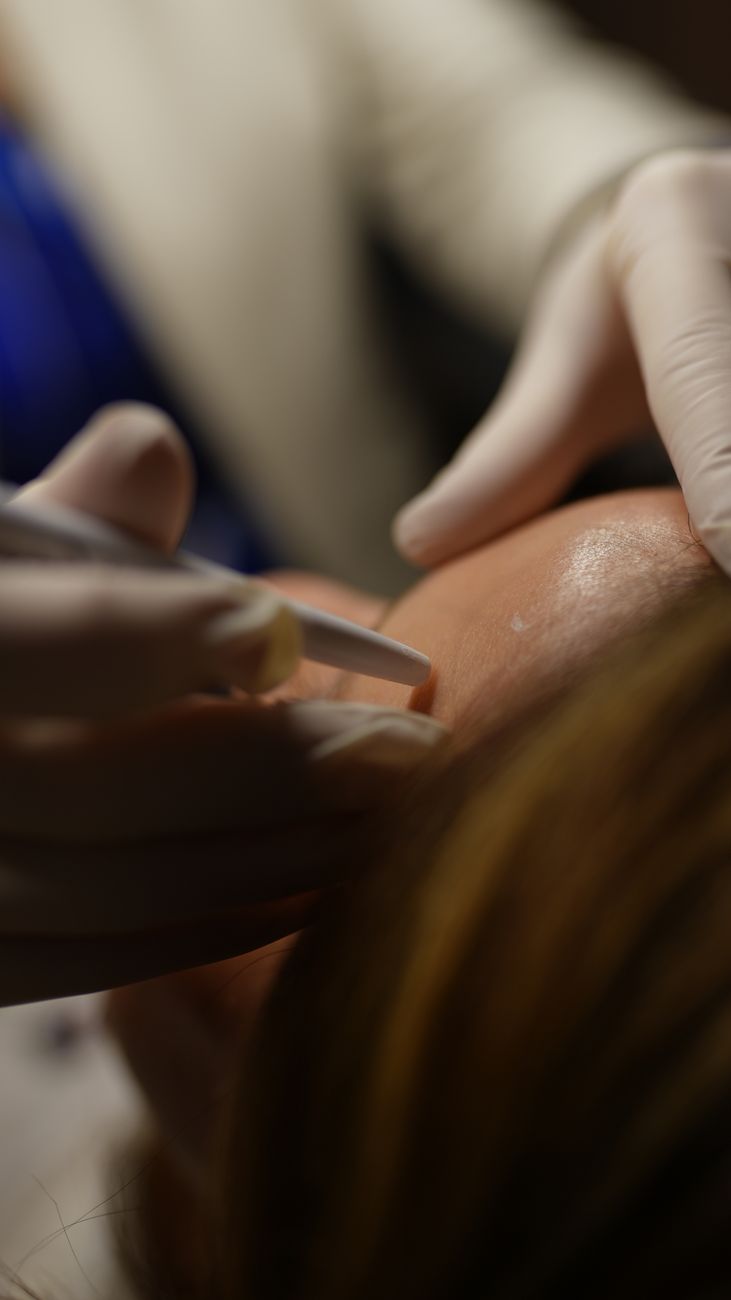
Microneedling serves as the ideal physical partner for these advanced topical serums by creating thousands of temporary micro-channels in the skin. This process acts like a dedicated cargo elevator, allowing advanced formulations to bypass the high-security front gate of the skin barrier. The physical action of the needles also triggers a controlled healing response, which naturally stimulates fibroblasts (the primary connective tissue cells responsible for producing collagen). This mechanical stimulation serves as a wake-up call to the tissue, preparing it to actively receive and utilize therapeutic agents. Consequently, the combination of physical micro-channeling and cellular nutrition yields a synergistic effect that exceeds the benefits of either treatment alone.
When topical polynucleotide treatments are applied immediately following microneedling, the absorption of active ingredients increases dramatically. This synergy is currently being investigated with premium formulations like 'VAMP ADVANCED Topical Multivitamin Serum', which contains a proprietary blend of amino acids, vitamins, and peptides. The micro-channels act as direct conduits, delivering these rich biological building blocks straight to the active dermal cells. This targeted delivery allows the vitamins and peptides to support the energetic demands of cellular repair and collagen synthesis. By combining mechanical stimulation with precise chemical support, this protocol seeks to maximize the cosmetic and therapeutic outcomes of skin rejuvenation.
Clinical Protocol: Maximizing Bioregenerative Skin Therapies
To optimize the outcomes of advanced microneedling and topical serum protocols, clinicians recommend the following structured approach to treatment, recovery, and home care:
- Preparation Phase: Ensure the skin is clean, free of active infections, and hydrated. Avoid using strong retinoids or chemical exfoliants for five days prior to the procedure.
- Treatment Window: The microneedling procedure is performed by a qualified professional to create controlled micro-channels, immediately followed by the application of the topical multivitamin serum.
- Post-Treatment Recovery (First 24 Hours): Keep the treated area clean and avoid applying makeup, heavy creams, or direct sunlight. Use only recommended gentle, non-irritating hydrating serums.
- Restoration Phase (Days 2 to 7): Apply nourishing topical treatments containing peptides or amino acids to support the ongoing healing cascade. Wear a broad-spectrum, mineral-based sunscreen daily to protect the highly sensitive, regenerating tissue.
Clinical Validation: Moving from Anecdote to Evidence in Aesthetics
While the theoretical benefits of combined therapies are highly compelling, the aesthetic industry has historically been flooded with anecdotal claims rather than robust scientific proof. To address this gap, researchers have launched a new clinical trial registered under the identifier NCT07368686 on ClinicalTrials.gov. Sponsored by Erevna Innovations Inc., this prospective study is specifically designed to evaluate the real-world efficacy of the 'VAMP ADVANCED Topical Multivitamin Serum' when applied following microneedling. By subjecting these premium topical treatments to rigorous clinical examination, the researchers aim to establish clear, evidence-based guidelines for modern skincare. This scientific scrutiny is essential for transforming popular beauty trends into validated medical protocols.
The study's focus on a multi-ingredient serum is particularly important because of how these compounds interact synergistically within the skin. While individual vitamins or amino acids are known to support cellular health, their combined effect in a proprietary formula requires systematic evaluation. The clinical trial will assess key parameters such as hydration, elasticity, and overall skin radiance using objective dermatological measurement tools. This quantitative approach ensures that the observed improvements are statistically significant rather than merely subjective impressions. Ultimately, studies like this help elevate the standard of care in aesthetic medicine, providing consumers and clinicians with reliable data.
Gathering high-quality data from structured clinical trials also protects consumers from marketing exaggeration, which is common in the wellness and cosmetic space. By establishing a clear correlation between the treatment protocol and measurable improvements in dermal health, the trial provides a reliable blueprint for future therapies. It helps validate whether the combination of mechanical micro-channeling and topical nutrition truly achieves superior bioregeneration. As the aesthetic landscape continues to mature, evidence-based validation will remain the key differentiator between passing fads and enduring medical breakthroughs.
Critical Perspectives: Study Limitations and Cohort Caveats
Despite the exciting scientific foundation of this research, it is crucial to recognize the inherent limitations of the current study design. The clinical trial NCT07368686 is currently listed as recruiting, which means that the final data have not yet been fully collected, analyzed, or published in a peer-reviewed journal. Preprint and early-stage trials represent crucial initial validation steps, but they must not be interpreted as definitive proof of universal efficacy. Furthermore, clinical trials in aesthetic medicine often operate with relatively small, localized cohort sizes, which can limit the generalizability of the findings across diverse populations. Factors such as genetic variations, baseline skin health, and lifestyle habits can also significantly influence how individuals respond to the treatment.
Another limitation to consider is the potential variance in microneedling devices, needle depths, and application techniques used across different clinical settings. Because the depth of the micro-channels determines how deeply the topical serum can penetrate, inconsistent treatment delivery can lead to variable results. Additionally, long-term safety and efficacy studies spanning several months or years are necessary to determine how long the regenerative benefits of PDRN and multivitamin serums persist. Until larger, randomized, double-blind trials are completed, the medical community must view these preliminary trials as promising steps rather than absolute guarantees.
Actionable Takeaways for Dermal Longevity
While professional bioregenerative skin therapies offer powerful tools for structural remodeling, long-term skin health must also be supported from the inside out. To maximize the benefits of any topical or mechanical treatment, individuals should focus on supplying their bodies with the fundamental nutritional building blocks required for collagen synthesis. Consuming a diet rich in high-quality amino acids, such as proline and lysine, provides the essential materials that fibroblasts need to construct new dermal tissue. Additionally, incorporating copper-rich foods like seeds, nuts, and leafy greens supports the enzyme lysyl oxidase, which is responsible for cross-linking collagen and elastin fibers to create structural stability. Ensuring adequate hydration and prioritizing restorative sleep also enhance the body's natural nightly cellular repair processes.
In summary, the future of aesthetic medicine lies in working alongside the body's natural regenerative intelligence rather than attempting to mask structural decline with temporary fillers. By understanding the cellular mechanics of polynucleotides and the synergy of advanced delivery systems, we can make highly informed decisions about our personal care. Much like rebuilding the foundation of an aging structure, true skin longevity requires high-quality materials, professional delivery, and consistent internal support. As clinical research continues to validate these advanced protocols, the line between medical healing and cosmetic enhancement will continue to fade, offering a more scientific, holistic approach to healthy aging.
The information provided in this article is for educational, informational, and experimental research purposes only and does not constitute medical advice, diagnosis, or treatment. Always consult with a qualified healthcare professional before undergoing any cosmetic or medical procedures.
Original Scientific Source
Erevna Innovations Inc. (ClinicalTrials.gov)
Research Date: February 2026
Medeze Stem Cell Banking Guide
Learn about autologous stem cell storage protocols, biological asset banking options, and Medeze's world-class GMP-certified laboratory.