Why a Secondary Brain Is Your Ultimate Shield for Mental Longevity
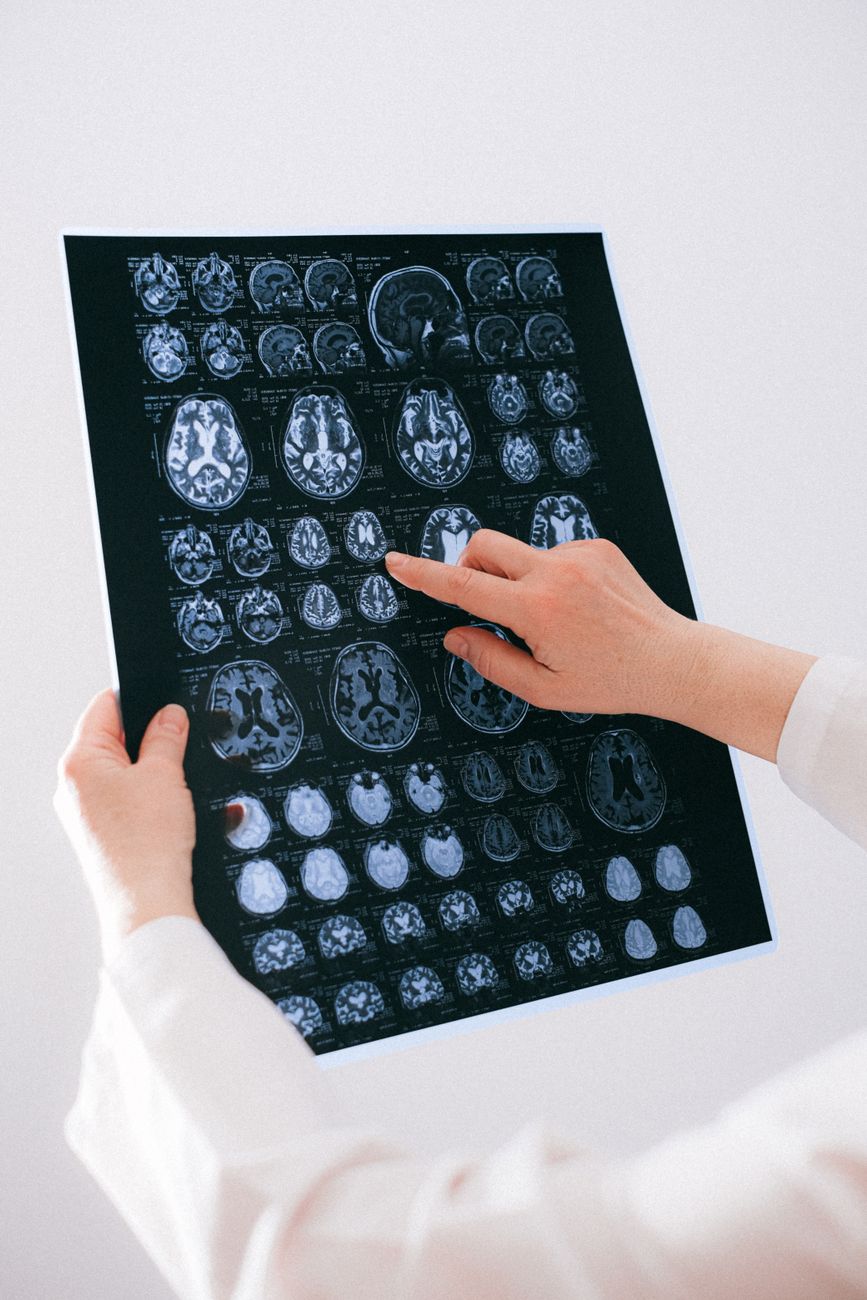
Executive Summary
"Discover how advanced non-pharmacological memory support systems act as a critical backup database to shield executive function and delay cognitive decline."
Scientific Analysis & Clinical Interpretation
How a Secondary Brain Protects Your Executive Edge: The Power of Cognitive Rehabilitation for Memory Impairment
The Early Margin: Why Mild Cognitive Impairment Early Intervention is the Critical Window for Cognitive Preservation
As active women prioritize physical longevity and structural vitality, incorporating cognitive rehabilitation for memory impairment into their health regimen is becoming the ultimate executive shield. True athletic longevity requires more than just maintaining muscular elasticity and metabolic fitness; it demands the protection of our ultimate command center, the brain. Implementing these specialized techniques is rapidly becoming the gold standard for high-achievers who recognize that processing speed is as vital as cardiovascular capacity. Just as we actively defend our joints against daily wear and tear, we must proactively shield our cognitive architecture from early degenerative threats. By prioritizing cognitive resilience alongside physical performance, we secure our executive capital for the long term.
Mild Cognitive Impairment, particularly the amnestic subtype, serves as the critical early warning sign of impending cognitive decline and is often an early manifestation of Alzheimer's disease. This phase represents a highly strategic window of opportunity, much like identifying early-stage cardiovascular plaque or pre-cancerous cellular changes during a routine clinical check-up. For years, preventive healthcare models have successfully transformed outcomes in oncology and cardiology by intervening before full-blown disease pathology takes hold. Applying this same preventive philosophy to brain health allows us to preserve neural reserves before clinical impairment compromises our active lifestyle. Recognizing and managing mild cognitive impairment early intervention is the most powerful move an active individual can make to extend healthspan.
Beyond the Pill: The Rise of Non-Pharmacological Memory Support Systems
For decades, the standard response to early memory loss has been pharmacological, yet these interventions remain highly controversial and frequently disappointing. Many high-achieving women seek dynamic, self-directed strategies to manage their physical and cognitive health rather than relying on a prescription bottle alone. Pharmaceutical options often come with undesirable side effects that can disrupt sleep architecture, athletic recovery, and metabolic balance, which ultimately undermines overall vitality. Furthermore, clinical trials have shown limited efficacy in halting the actual progression of mild cognitive impairment into clinical dementia. This clear gap in traditional medicine has catalyzed the rise of non-pharmacological memory support systems that empower individuals to actively manage their cognitive performance.
Recognizing this urgent need for practical, effective solutions, researchers at Emory University conducted a landmark clinical trial, registered as NCT01283269, to evaluate non-invasive, structural interventions. This study focused on refining the delivery of the Memory Support System, known as the MSS, as a formal compensatory program for memory loss. By moving away from passive medication models, the trial sought to provide participants with structured, real-world tools to actively bypass damaged neural pathways. For the longevity-focused individual, this approach mirrors using targeted physical therapy to rehabilitate a joint rather than simply masking pain with anti-inflammatories. It represents a hands-on, proactive methodology that respects the brain's innate capacity to adapt and find alternative processing routes.
When an individual first experiences subtle signs of cognitive friction, standard clinical advice is often frustratingly vague, consisting of generic recommendations to take notes or do puzzles. These casual suggestions lack the rigorous, structured protocol required to create lasting neurological habits or provide meaningful operational protection. The Emory University pilot project addressed this deficiency by comparing a highly structured, systemic notebook training program against generic computerized cognitive activities. By establishing a formalized external memory database, the MSS aims to sustain and improve functional levels, effectively delaying the need for assisted living. This structured approach provides the exact tactical roadmap that high-performing women need to maintain their independence and leadership edge.
Trial Design and Mechanics: Notebook Training vs. Computerized Activity
The architecture of the Emory University clinical trial was meticulously designed to evaluate both short-term compliance and long-term functional survival. The study recruited sixty individuals diagnosed with Mild Cognitive Impairment along with sixty dedicated program partners to act as support systems. This partner-based design is particularly compelling, as it mimics the coaching relationships that drive success in elite physical training and athletic development. Having a dedicated partner ensures daily accountability, helps reinforce new cognitive habits, and reduces the isolation that often accompanies early cognitive changes. For the participants, this social and operational support structure proved to be a critical variable in the successful adoption of the memory training.
To optimize the training protocols, the investigators compared different delivery speeds, randomly assigning participant-partner pairs to either a comprehensive six-week training program or an accelerated ten-day version. Both groups practiced using the physical Memory Support System notebook, while a control cohort engaged in structured computer-based cognitive exercises. By comparing the intensive and compressed versions of the training, researchers aimed to identify the minimum effective dose required to establish lifelong behavioral changes. For busy female executives, understanding whether a ten-day intensive can deliver the same long-term functional protection as a six-week commitment is crucial for scheduling and lifestyle integration. This comparison allows individuals to choose a rehabilitation schedule that aligns with their personal demands.
In addition to the specialized notebook and computer training, all participants in the study received comprehensive education regarding cognitive health and general brain wellness. This educational component is vital, as cognitive rehabilitation for memory impairment is far more effective when individuals understand the underlying physiology of their brains. Much like understanding how cellular respiration and glycogen depletion affect physical performance, knowing how memory systems function empowers individuals to take control of their recovery. Education fosters a proactive mindset, turning what could be a distressing diagnosis into an actively managed performance optimization protocol. Armed with this knowledge, participants were better equipped to integrate cognitive safety nets into their daily routines.
Measuring Functional Dividends: Multimodal Outcomes and Caregiver Relief
Assessing the true impact of any longevity intervention requires a long-term commitment to tracking multiple dimensions of health and performance. The Emory University investigators designed a rigorous follow-up schedule, evaluating participant compliance and functional outcomes at three months, six months, and annually post-intervention. This longitudinal tracking ensures that the benefits of the Memory Support System are durable and continue to provide structural support over time. Just as we monitor bone density or cardiovascular biomarkers over years to assess anti-aging strategies, tracking cognitive compliance over years reveals the true efficacy of the intervention. These periodic assessments provide invaluable data on how well the external database is preventing cognitive degradation.
Crucially, the trial also focused on measuring caregiver burden and partner mood, recognizing that cognitive decline never occurs in an isolated vacuum. For a female executive, maintaining the harmony and health of her immediate support network is essential for personal peace of mind and sustained professional focus. When a partner is burdened with constant worrying or administrative oversight, it can strain the relationship and compromise their own health. By implementing a highly structured, predictable memory protocol, the participant offloads the cognitive demands that would otherwise fall on their partner. This reduction in relational friction serves as a massive functional dividend, allowing both individuals to preserve their energy and focus on enjoying life together.
Systematizing Daily Operations: Building Cognitive Redundancy
To successfully navigate early memory changes, we must learn to systematically externalize prospective memory tasks, which are the actions we plan to perform in the future. Just as we use athletic tape or custom orthotics to support joints under heavy load, we must use structured external tools to protect our working memory. Prospective memory, such as remembering to take supplements, attend meetings, or follow up on critical business decisions, consumes significant cognitive bandwidth. By offloading these daily operational tasks to an external database, we free up precious prefrontal cortex capacity for high-level decision-making. This strategic offloading is the cornerstone of non-pharmacological memory support systems, ensuring that mental fatigue does not compromise executive performance.
Creating a highly reliable, single-point-of-entry system is the most effective way to build this cognitive redundancy into your daily life. The primary rule of this system is that all information, schedules, tasks, and notes must go into one centralized physical or digital location. For the active female executive, this might look like a premium, dedicated daily planner that houses professional agendas, physical recovery protocols, and personal commitments. This single-point-of-entry strategy eliminates the cognitive load of having to remember where a specific piece of information was recorded. By making this external tool an extension of your own mind, you create a seamless backup system that guarantees no critical operational data is lost.
To understand how we can defend against this cognitive erosion, it is helpful to look at the brain through the lens of a business-critical information technology network. In any enterprise system, relying solely on patching aging, degrading primary server hardware is a high-risk strategy that eventually leads to catastrophic failure. Instead, robust IT protocols dictate the deployment of an external, synchronized secondary backup database to ensure continuous operations and prevent systemic collapse. In the human body, when our biological hardware begins to show signs of structural wear, we must implement an analog or digital backup database. This secondary memory framework allows us to maintain seamless execution, keeping our personal and professional lives running without operational downtime.
Active Longevity Strategy: The Executive Memory Blueprint
To construct your own cognitive safety net, start by selecting a single, high-quality physical journal or a dedicated digital platform that will serve as your absolute source of truth. Commit to updating this system at the exact same times every single day, perhaps during your morning espresso or right before your evening physical recovery protocol. This repetitive scheduling helps write the habit into your procedural memory, which remains highly resilient even during early stages of cognitive decline. Treat this practice with the same discipline you apply to your physical training, knowing that consistency is the key to cellular and neurological adaptation. By making this system a non-negotiable part of your daily rhythm, you establish an unshakeable foundation for long-term mental longevity.
In addition to implementing your single-point-of-entry daily system, prioritize lifestyle habits that naturally synergize with cognitive rehabilitation. Ensure you are getting optimal sleep to facilitate glymphatic clearance, the biological process that washes metabolic waste from the brain overnight. Fuel your body with anti-inflammatory nutrients, high-quality proteins, and clean hydration to support cellular repair and keep your energy levels steady throughout the day. Minimize chronic stress by incorporating mindfulness or deliberate breathwork, which dampens the sympathetic nervous system and protects your hippocampus from cortisol-induced damage. When combined with a robust external memory system, these physical protocols create a powerful shield against early cognitive decline, keeping your mind as sharp and resilient as your body.
Key Takeaways from the Emory Clinical Trial
- Mild Cognitive Impairment (MCI) is a key early clinical manifestation of Alzheimer's disease, serving as a critical target for prevention models.
- The Emory University clinical trial (NCT01283269) investigated a structured Memory Support System (MSS) notebook training against computer activities across 60 participant-partner pairs.
- The study evaluated and compared adherence rates and clinical efficacy between intensive 6-week and compressed 10-day versions of the memory intervention.
- Subsequent compliance and multi-modal outcomes (mood, functional level, self-efficacy, and caregiver burden) were designed to be tracked at 3 months, 6 months, and annually post-intervention.
This content is for informational and educational purposes only and does not substitute for professional medical advice, diagnosis, or treatment. Always seek the advice of your physician or other qualified healthcare providers with any questions you may have regarding a medical condition.
Original Scientific Source
Emory University (ClinicalTrials.gov)
Begin Your Biological Optimization Journey
Schedule a private consultation with the VAANAA clinical team to evaluate your biomarkers and build a personalized longevity protocol.