The Biological Ledger: Why Hidden Fatigue Is the Ultimate Longevity Metric We Ignore
Executive Summary
"Traditional clinical tools overlook the silent depletion of our physical reserves during routine daily tasks. This briefing explores how a pioneering clinical trial uses advanced sensor technology to track deep biological fatigue, offering a new framework for preserving your physical capital."
Scientific Analysis & Clinical Interpretation
Imagine you are reviewing the balance sheet of a high-growth biotech startup. You would never dream of evaluating the entire value of the company based solely on one metric, like the number of miles its delivery trucks drive. You would want to look at the health of the manufacturing facilities, the efficiency of the assembly lines, and the integrity of the intellectual property. Yet, when it comes to human longevity and physical decline, the medical establishment does something incredibly similar. They rely almost exclusively on walking speed and ambulatory tests to measure physical fatigue and systemic aging. This creates a massive diagnostic blind spot that leaves high-performing individuals, especially female leaders who manage demanding personal and professional lives, vulnerable to sudden functional decline.
This exact challenge is what inspired researchers at Vrije Universiteit Brussel to launch a groundbreaking clinical trial, registered under ClinicalTrials.gov as NCT06513377. Their newly completed study shifts the focus away from traditional, narrow walking tests. Instead, they designed a standardized, laboratory-based protocol to monitor how we experience physical fatigue during a wide range of common Activities of Daily Living, often called ADLs. By using advanced, multi-sensor wearable arrays, this study maps the hidden relationship between real-time physiological data and subjective feelings of exhaustion. The ultimate goal of this research is to align clinical care with the World Health Organization vision of healthy aging, giving us a much more comprehensive way to protect our physical health as we grow older.
The Blind Spot in Longevity Medicine: Why Walking Speed Doesn't Tell the Whole Story of Fatigue
For decades, clinical medicine has treated walking tests, like the standard six-minute walk test, as the ultimate standard for physical capacity. While walking speed is a helpful biomarker, relying on it to assess functional capacity is a major oversimplification. Human vitality is not a one-dimensional metric. When we limit our assessments to walking, we completely overlook the subtle micro-fatigue that occurs during non-ambulatory movements. Tasks like reaching for high shelves, carrying heavy bags, or moving through different postures are highly complex and demand a lot of energy. This narrow clinical focus means we often miss the early, quiet signs of functional decline, especially in high-achieving women who are used to pushing through daily physical strain.
Clinical fatigue is not just a temporary feeling of being tired. It is an independent, critical health biomarker in older adults and individuals recovering from neurological events. It is directly linked to an increased risk of losing your independence, experiencing accelerated physical decline, and suffering from a lower quality of life. When we only measure walking speed, we ignore the daily tasks that actually define our quality of life. True physical independence requires a wide range of movements, including lifting, twisting, carrying, and balancing. If our diagnostic tools do not account for these daily movements, we will continue to miss the early warning signs of systemic decline until the damage is already done.
By redefining how we evaluate physical exhaustion, we can transform fatigue from a vague, subjective complaint into a precise, actionable biomarker. The Vrije Universiteit Brussel study recognizes that to truly understand healthy aging, we must measure how the body performs under the varied physical demands of everyday life. This shift in perspective is crucial for the biotech and longevity investment sectors. It moves the focus of clinical validation away from simple mobility metrics and toward a complete, multi-dimensional view of human functional reserve.
The Pathophysiology of Functional Exhaustion: Sarcopenia, Neurological Insult, and Energy Depletion
To understand why we experience deep physical fatigue, we have to look closely at three closely linked conditions that accelerate physical decline: stroke recovery, sarcopenia, and generalized fatigue. Sarcopenia, which is the progressive loss of skeletal muscle mass and strength, acts as a silent drain on our physical energy reserves. For women, this issue is particularly urgent. The natural hormonal shifts that occur during and after menopause can accelerate muscle loss, making early detection and targeted prevention absolutely essential. When muscle mass decreases, the remaining muscle fibers have to work much harder to perform basic tasks, turning simple movements into high-exertion events that rapidly drain cellular energy.
At the same time, neurological challenges, such as recovering from a stroke, introduce a layer of inefficiency into how our nervous system communicates with our muscles. When neural pathways are disrupted, the brain has to exert far more cognitive and physical effort just to coordinate simple movements. This increased demand for neural drive causes rapid central fatigue, which makes the muscles feel heavy and unresponsive. When you combine the muscle loss of sarcopenia with the neural inefficiency of a neurological injury, the metabolic cost of performing everyday tasks increases dramatically. The body is forced to rely on inefficient energy systems, leading to rapid mitochondrial exhaustion and a feeling of systemic depletion.
At the cellular level, this physical exhaustion is directly tied to the health of our mitochondria, which are the powerhouses of our cells. When muscles are overworked due to sarcopenia or poor neural coordination, the mitochondria are pushed to their absolute limits. Over time, this chronic overexertion leads to increased oxidative stress, damaged cellular structures, and a reduced capacity to produce cellular energy (ATP). This cellular energy crisis is what manifests as the profound, persistent physical fatigue that leaves individuals feeling completely drained after basic daily activities. By studying these cellular pathways, longevity science is opening up exciting new opportunities for therapeutic interventions, ranging from targeted mitochondrial support to advanced regenerative therapies designed to restore muscle and nerve communication.
Decoding the Vrije Universiteit Brussel Protocol: Mapping Physiology to Perceived Exhaustion
The clinical trial conducted by the Vrije Universiteit Brussel, registered as NCT06513377, represents a major step forward in how we study and measure physical fatigue. Rather than relying on subjective questionnaires or simple walking tests, the researchers developed an innovative, lab-based fatigue protocol. During this study, participants completed three separate testing sessions designed to induce physical fatigue through a variety of functional tasks that mimic daily life. By standardizing these everyday movements in a controlled laboratory setting, the researchers were able to closely study physical decline in real time, focusing on populations dealing with stroke, sarcopenia, and chronic fatigue.
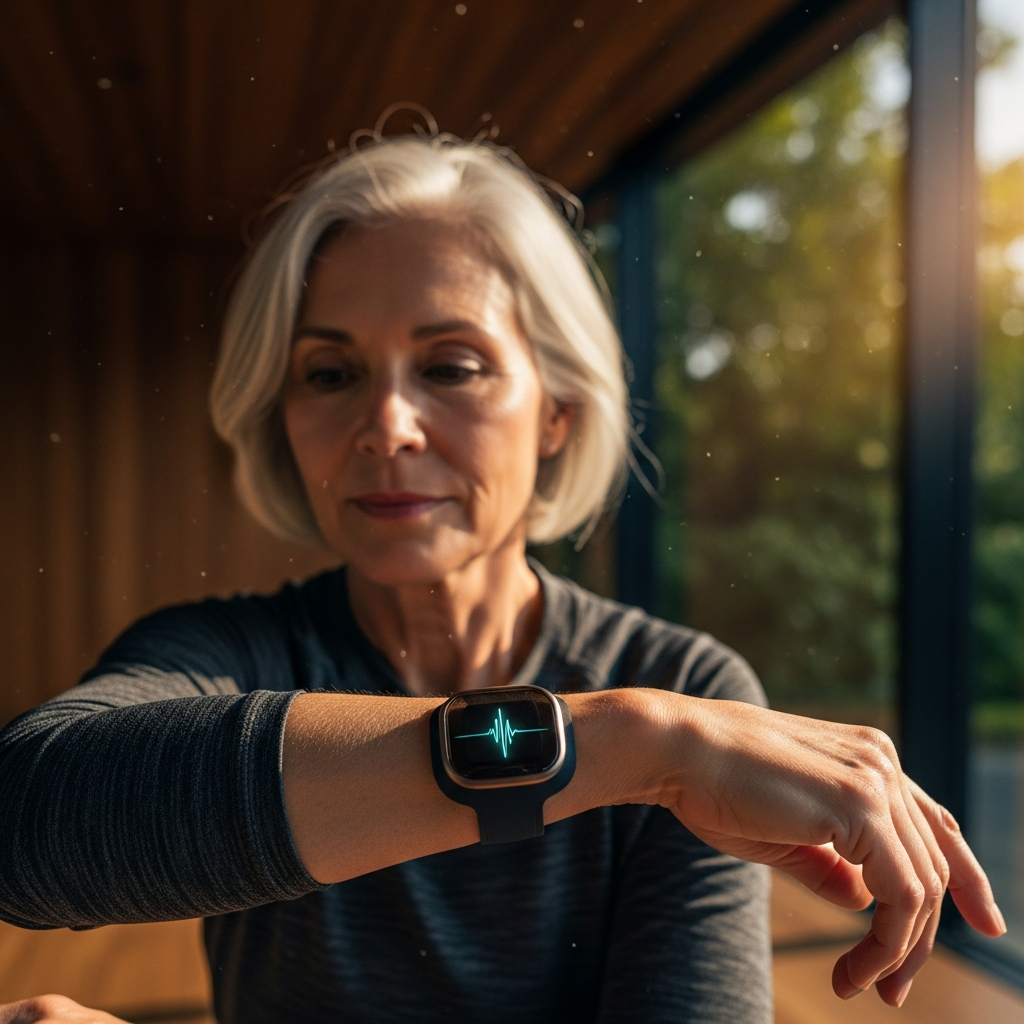
To capture the complex nature of physical fatigue, the researchers equipped participants with sophisticated, multi-sensor wearable arrays. These advanced sensors collected a continuous stream of kinematic and physiological data, tracking subtle changes in heart rate, movement acceleration, joint angles, and overall movement quality as fatigue set in. This approach allowed researchers to look past the outward appearance of performance and see the underlying physiological cost of movement. It provided an objective, data-driven look at how the body compensates and degrades as its physical reserves are depleted.
What makes this clinical trial so exciting is its focus on mapping this objective sensor data directly to subjective scores of perceived fatigue. By pairing real-time physiological metrics with how fatigued a participant actually feels, the study created a highly precise diagnostic model. This approach bridges the gap between digital biomarkers and the actual human experience of exhaustion, giving us a clearer picture of an individual's functional reserve. For biotech investors and tech pioneers, this framework offers a powerful blueprint for validating new longevity therapies, digital health platforms, and personalized medicine protocols.
Biological Capital and the Asset Depreciation of the Aging Body
To understand why this research is so important, it helps to use an analogy from the business world. In corporate accounting, businesses track the depreciation of physical assets, like manufacturing machinery or delivery trucks, based on how many hours they operate and the wear and tear they experience. A smart executive would never evaluate the health of a manufacturing plant by only checking the odometer of its delivery trucks. Doing so would ignore the internal wear on the assembly line, the strain on the electrical grid, and the gradual breakdown of key machinery. Yet, this is exactly what we do when we rely solely on simple walking tests to evaluate human aging and physical capacity.
In this context, we can think of the human body as holding a valuable store of biological capital. This capital is made up of our skeletal muscle mass, the efficiency of our neural pathways, and our mitochondrial reserves. Just like a physical factory, our biological capital experiences functional depreciation over time due to use, stress, and aging. Sarcopenia and chronic physical fatigue are not just inevitable parts of getting older. They represent the unmitigated depreciation of our vital biological assets. If we do not actively monitor and protect these assets, we risk a sudden, costly breakdown of our physical independence.
For high-performing female executives and investors, protecting this biological capital is just as important as managing a financial portfolio. When you invest in your physical health, you are hedging against the functional depreciation that threatens your long-term productivity, vitality, and independence. By using the advanced insights from modern clinical trials like the Brussels study, we can move away from reactive healthcare and adopt proactive asset protection strategies. This allows us to invest our time and resources into targeted interventions that systematically preserve and rebuild our biological capital.
Clinical Takeaways: Standardizing Your Functional Reserve and Optimizing Daily Stamina
Translating the insights from the Vrije Universiteit Brussel study into your daily life requires a proactive approach to monitoring and building your physical reserves. To actively protect your biological capital, you can start by introducing weekly Rate of Perceived Exertion, or RPE, micro-audits during your daily routine. Rather than only tracking your steps or walking workouts, pay close attention to how your body feels during multi-planar, non-walking movements. Notice how much effort it takes to lift a heavy bag overhead, carry asymmetric loads like a single heavy suitcase, or perform repetitive squatting movements. By assigning an RPE score from one to ten to these everyday tasks, you can identify early signs of physical fatigue and catch functional decline before it impacts your daily life.
Alongside this self-monitoring, you can build a robust physical reserve by incorporating targeted progressive resistance training into your weekly routine, with a specific focus on the eccentric phase of your movements. The eccentric phase, which is the lowering or lengthening part of an exercise, is incredibly effective for building muscle strength, improving joint stability, and stimulating muscle growth. Focusing on slow, controlled eccentric movements, like taking three to four seconds to lower yourself during a squat or lower a weight during a shoulder press, helps build the structural strength needed for demanding daily activities. This targeted training builds a buffer of muscular strength, making everyday movements feel much easier and protecting your body from rapid fatigue.
Finally, you can support your physical stamina by optimizing your cellular energy production and mitochondrial health. Consistently getting high-quality sleep, staying well-hydrated, and speaking with a healthcare professional about cellular cofactors like CoQ10, NAD+ precursors, or targeted amino acids can give your cells the support they need to maintain high energy levels. By combining active self-monitoring with smart, science-backed lifestyle choices, you can raise your physical threshold, protect your biological capital, and ensure you have the stamina to thrive in every area of your life.
Medical Disclaimer
This content is for educational, informational, and experimental research purposes only and does not constitute medical advice, diagnosis, or treatment. Always consult with a qualified healthcare professional before beginning any new exercise program, making dietary changes, or starting any nutritional supplement protocol.
Original Scientific Source
Vrije Universiteit Brussel (ClinicalTrials.gov)
Begin Your Biological Optimization Journey
Schedule a private consultation with the VAANAA clinical team to evaluate your biomarkers and build a personalized longevity protocol.