Ectosomal Tau Translocation and Neural Resilience: Utilizing Extracellular Vesicle Liquid Biopsy for Early Diagnostic Biomarkers of Neurodegeneration
Executive Summary
"Discover how tracking ectosomes via an extracellular vesicle liquid biopsy can predict neural wear and prevent cognitive decline before cell death occurs."
Scientific Analysis & Clinical Interpretation
Ectosomal Tau Translocation and Neural Resilience: Utilizing Extracellular Vesicle Liquid Biopsy for Early Diagnostic Biomarkers of Neurodegeneration
Utilizing an extracellular vesicle liquid biopsy represents the newest frontier for active longevity athletes who treat cognitive optimization with the same physical rigor they apply to joint health and athletic recovery. Just as an athlete monitors subtle changes in joint lubrication or cellular energy levels to prevent minor strains from becoming performance-ending injuries, modern medicine is shifting toward proactive biochemical tracking to shield the brain. For decades, neurodegenerative challenges like Alzheimer's disease were viewed as slow, irreversible processes that could only be verified after massive structural damage had already taken place. However, emerging clinical insights suggest that we can observe and intercept the molecular precursors of cognitive decline long before the first actual symptom manifests. By understanding these biological warning signs, we can design targeted protocols to defend our neural architecture and maintain peak executive stamina throughout our lives.
The Secreted Pathogen: Deciphering the Active Release of Tau
At the core of this scientific shift is the realization that neurofibrillary degeneration, which involves the accumulation of abnormal Tau proteins, progresses through a highly organized, hierarchical pathway across the brain. Rather than being locked inside dying brain cells, research reveals that these proteins are actively secreted into the surrounding fluid before any permanent neuronal death occurs. To understand this process, imagine a predictive maintenance system in high-value asset management where engineers monitor microscopic metallic shavings leaked into a generator's lubrication fluid to prevent a catastrophic breakdown. In the human body, this lubrication fluid is our cerebrospinal fluid and blood plasma, and the microscopic shavings are the tiny biological packages known as ectosomes. By tracking these early diagnostic biomarkers of neurodegeneration in circulation, we can evaluate the real-time wear and tear of our neural networks before our physical vitality is compromised.
A landmark clinical trial conducted by the University Hospital of Lille, identified under the registry number NCT03381482, has recently explored how these ectosomes function as indicators of brain health. By analyzing blood and cerebrospinal fluid from both healthy individuals and patients facing cognitive decline, the research team examined how the presence of Tau inside these vesicles changes as pathology develops. This human study builds upon solid laboratory models showing that Tau is actively secreted not just as a free-floating molecule, but also safely wrapped inside protective lipid envelopes. This packaging is highly significant because vesicle-bound Tau can travel between cells, suggesting it plays an active role in spreading degeneration across neural pathways. Consequently, identifying these unique vehicles allows us to explore new avenues in [precision diagnostics](/topics/precision-diagnostics) and design therapies that contain the spread before it impacts our daily physical resilience.
Ectosomes as Early-Warning Liquidity Reports of Neural Capital via Extracellular Vesicle Liquid Biopsy
Embracing a routine extracellular vesicle liquid biopsy allows active individuals to manage their cognitive longevity with the same precision they bring to metabolic fitness and aesthetic anti-aging. These specialized biological envelopes act as secure transport containers, protecting their molecular cargo from degrading as they travel through the bloodstream. By isolating these ectosomes from a simple blood sample, clinicians can safely peer into the cellular environment of the brain without resorting to invasive procedures. This biological tracking provides an early assessment of our neural capital, ensuring that any subtle shifts toward protein accumulation are caught at a stage where lifestyle interventions are most effective. Ultimately, this approach empowers us to preserve our cellular energy and keep our mental processing speeds aligned with our highly active physical lifestyles.
The underlying mechanics of these vesicles demonstrate that they are active messengers in cellular communication rather than mere metabolic waste. When brain cells experience early environmental stress, they bud off these tiny lipid membranes to send signals and coordinate cellular responses. In the context of neurodegeneration, this communication system is unfortunately hijacked to transport misfolded proteins from one healthy cell to another. This active cellular transport explains why cognitive decline typically follows a predictable anatomical route rather than appearing randomly throughout the brain. By studying the unique surface markers of these packages, researchers can differentiate between normal cellular communication and the specific signals carrying the seeds of degeneration.
While the scientific community is highly encouraged by these clinical trials, some public media channels and online forums have hyped these findings as an immediate, effortless cure for cognitive aging. It is crucial to view these updates with a balanced perspective, recognizing that identifying a biomarker is a powerful diagnostic tool rather than an instant therapeutic solution. These biological tracking methods do not replace the fundamental work of systematic metabolic, physical, and nutritional optimization that keeps our bodies performing at their peak. Instead, they offer highly specific data that allow us to refine our personalized longevity protocols with absolute clinical clarity. This strategic focus on early biological metrics is fully detailed in our ongoing research on [longevity brain health](/topics/longevity-brain-health), which emphasizes combining early scanning with daily health preservation habits.
Mapping the Topography: Integrating Fluid Biomarkers with Multimodal Neuroimaging Diagnostics
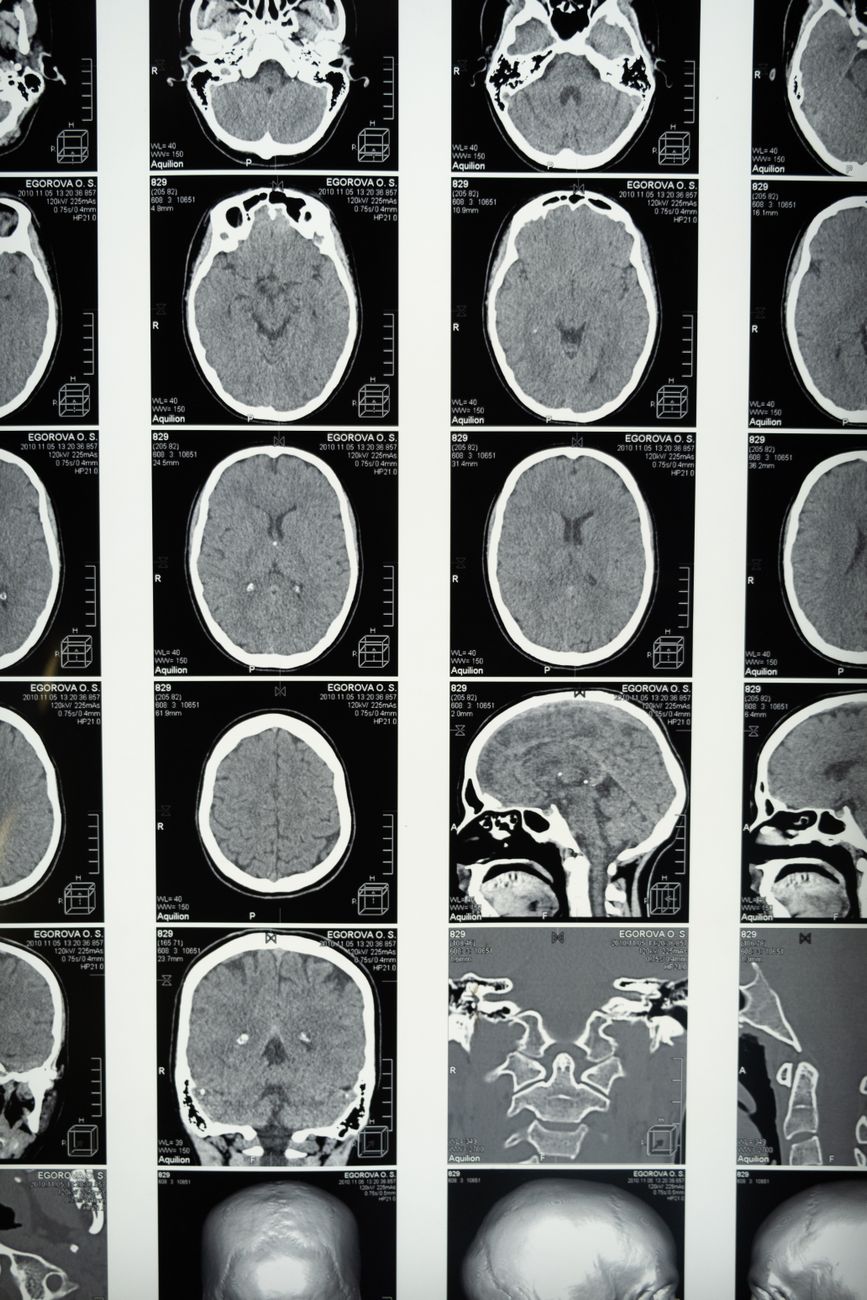
To truly appreciate the predictive strength of fluid biomarkers, we must observe how they work alongside macroscopic structural mapping through advanced multimodal neuroimaging diagnostics. A comprehensive study published in MedRxiv analyzed data from nearly four hundred participants to examine the relationships between early protein accumulation and physical brain structure. By pairing fluid-based biological indicators with high-resolution brain scans, the researchers mapped how microscopic changes translate into physical changes in neural tissue. This combined diagnostic approach functions as a comprehensive audit, bridging the gap between cellular activity and actual physical integrity. It allows us to verify whether the cellular warning signs found in our blood correlate with structural adjustments in key brain regions responsible for coordination and memory.
The researchers utilized specialized imaging scans, using a highly sensitive tracking agent designed to highlight amyloid-beta deposits alongside another tracer that specifically targets tau accumulation. These detailed scans were then compared with precise measurements of cortical thickness and gray matter volume, which are direct indicators of the brain's physical structure. Additionally, the participants completed standardized cognitive evaluations to measure mental agility, executive processing, and overall memory performance. The final analysis revealed a direct, significant correlation between elevated tau signals on the scans and visible tissue thinning in critical regions of the brain. This relationship highlights that the accumulation of tau is a primary driver of physical tissue loss, leading directly to the cognitive challenges we seek to avoid.
Combining the microscopic insights of a fluid biopsy with the macroscopic clarity of imaging scans creates an exceptionally powerful dual-layer defense system. The fluid test serves as a highly accessible, non-invasive screening tool that can be easily integrated into routine annual health assessments to monitor cellular stress. If this initial scan reveals an unexpected increase in vesicle-bound Tau, clinicians can then utilize targeted imaging to pinpoint the exact locations of structural changes. This collaborative strategy ensures that we are never surprised by cognitive decline, allowing us to implement preventative measures before structural changes occur. Ultimately, this methodology allows us to protect our physical and mental stamina, keeping us highly active and resilient throughout our lives.
From Early Detection to Interception: The Future of Tau-Targeted Therapeutics
Moving from early detection to active prevention represents the future of tau-targeted therapeutics and long-term cognitive endurance. Historically, drug development focused on clearing massive, late-stage protein plaques after they had already accumulated, a strategy that has shown limited success once physical symptoms are established. Today, the focus of advanced medicine is rapidly shifting toward stopping the transmission of these proteins along their pathways before they can affect neighboring healthy cells. By designing therapies that block the active secretion of these vesicles or prevent healthy cells from absorbing them, we can effectively contain the challenge. This early containment strategy preserves our existing neural networks, ensuring that our cognitive processing speeds and mental clarity remain fully intact.
This philosophy of proactive structural protection is deeply familiar to anyone invested in physical endurance, joint mobility, and cellular repair. Just as we utilize advanced physical therapy or [cellular therapies](/topics/cell-banking) to protect our joints and maintain athletic performance, we must apply the same preventive strategies to our neurological systems. Our daily physical performance and recovery are closely tied to the integrity of our nervous system, making early neurological defense an essential part of overall physical vitality. When we actively defend our brains from the slow spread of cellular stress, we ensure that our physical energy is matched by sharp mental acuity. This integrated approach allows us to continue pursuing highly demanding physical and executive activities without facing the typical constraints of aging.
Ultimately, maintaining cognitive resilience requires us to view the brain as a highly active, metabolically intensive organ that demands deliberate, structured support. The brain consumes an immense portion of our daily energy supply, and its health is directly connected to our vascular fitness and cellular efficiency. When we support our bodies through consistent movement, balanced nutrition, and strategic recovery, we also establish the metabolic foundation for superior neurological health. This connection is further explored in our guide on [metabolic health optimization](/topics/metabolic-weight-health), which outlines how systemic insulin sensitivity and energy balance directly support brain function. Pairing these metabolic habits with cutting-edge biomonitoring gives us the ultimate strategy to maintain peak physical performance and defy conventional aging.
Actionable Protocols for Glymphatic Waste Clearance
To actively support the brain's natural waste clearance mechanisms and reduce the accumulation of extracellular proteins, we must focus on optimizing our glymphatic pathway. This specialized system functions as the brain's unique waste-removal system, actively flushing out metabolic debris while we sleep. During our deep, slow-wave sleep cycles, the space between our brain cells increases, allowing cerebrospinal fluid to wash through the tissue and clear away daily accumulation. Without sufficient deep sleep, this clearance process is significantly compromised, leading to a buildup of cellular waste that can stress our neural pathways. Just as an athlete prioritizes sleep for muscular recovery and tissue repair, cognitive longevity demands a dedicated focus on sleep architecture to ensure daily neurological detoxification.
To maximize this natural clearance and protect your neural capital, we strongly recommend prioritizing seven to eight hours of high-quality sleep per night, focusing on optimizing your deep slow-wave sleep cycles. This can be achieved by maintaining a consistent sleep schedule, keeping your sleeping environment cool and dark, and avoiding bright screens and intense training late in the evening. Additionally, maintaining optimal daily hydration and supporting your general metabolic health through strategic dietary choices will further assist your body's natural waste-elimination processes. By committing to these baseline recovery practices, you provide your brain with the physical resources it needs to naturally clear extracellular debris and maintain peak vitality. These consistent daily habits build the foundation for long-term physical resilience and sustained mental performance across every area of your life.
The information provided in this briefing is for educational and informational purposes only and does not constitute medical advice, diagnosis, or treatment. Experimental research, clinical trials, and biomarker diagnostics discussed herein are rapidly evolving and should be evaluated in consultation with qualified healthcare professionals. Do not disregard professional medical advice or delay seeking treatment based on any information contained in this article.
Original Scientific Source
University Hospital, Lille (ClinicalTrials.gov)
Research Date: December 2017
Cognitive Longevity Protocol
Evaluate your biological biomarkers for brain health. Learn how targeted clinical protocols can mitigate cognitive depreciation and preserve clarity.